Supporting Neurodivergence Through a Biopsychosocial Lens: The Impact of Polypharmacy on Sleep. Mental Health and Chronic Illness.
Join us for an insightful session that explores the intersections of neurodivergence, polypharmacy, and health outcomes through a biopsychosocial framework. Discover the unique challenges faced by neurodivergent individuals, particularly regarding the complexities of medication management. We will delve into how polypharmacy affects sleep quality, mental health, and the management of chronic conditions. Participants will learn about best practices for safe prescribing, the importance of non-pharmacological interventions, and strategies for providing holistic, patient-centered care. This session is perfect for healthcare professionals, caregivers, educators, and advocates aimed at enhancing well-being and support for neurodivergent populations. Join us to empower and improve health outcomes in this vital area!

Sharon Cyrus, MSED, LMHC
Sharon Cyrus-Savary is a licensed mental health professional with years of experience in developing and managing mental health programs. Preference for biopsychosocial approach that includes health equity and ensuring that people with neurodiversity receive the highest quality trauma-informed, evidence-based mental health, medical care, care coordination to improve the quality of their lives.
Her experience includes intellectual and developmental disabilities, Autism, forensic psychology, and substance use.
Sharon is a past trustee and the scholarship chair of The American Mental Health Counselors Association Foundation working to improve the mental health of Americans through training, public education about mental health, mental health research, access to mental health services, and promoting high standards for mental health practitioners.
She has a B.S. from Empire State College and MSED from Fordham University. She is completing her PhD in Clinical Psychology at Walden University.

Breaking Down Shame and Stigma: Building Bridges for Better Care Across Health Professions
Shame and stigma aren’t just “addiction issues”—they’re everywhere in healthcare. For people with substance use disorders, these barriers don’t stop at the clinic door; they ripple out into every provider encounter, from primary care to mental health, pain management, and beyond. The result? Clients disengage, clinicians burn out, and opportunities for healing get lost in translation.
In this practical, honest session, Belle Morey shares what it’s like to navigate the healthcare system as both a substance use counselor and a person in long-term recovery. Drawing on lived experience and clinical expertise, she explores how shame and stigma quietly shape the stories clients tell (and don’t tell), the way professionals communicate, and the systems we all work within.
Participants will leave with a better understanding of how stigma operates across disciplines—and with concrete tools for challenging it, both one-on-one and at the systems level. Whether you work in addiction, primary care, mental health, chronic illness, or anywhere people show up with complicated stories, this session will help you become a better, braver ally.
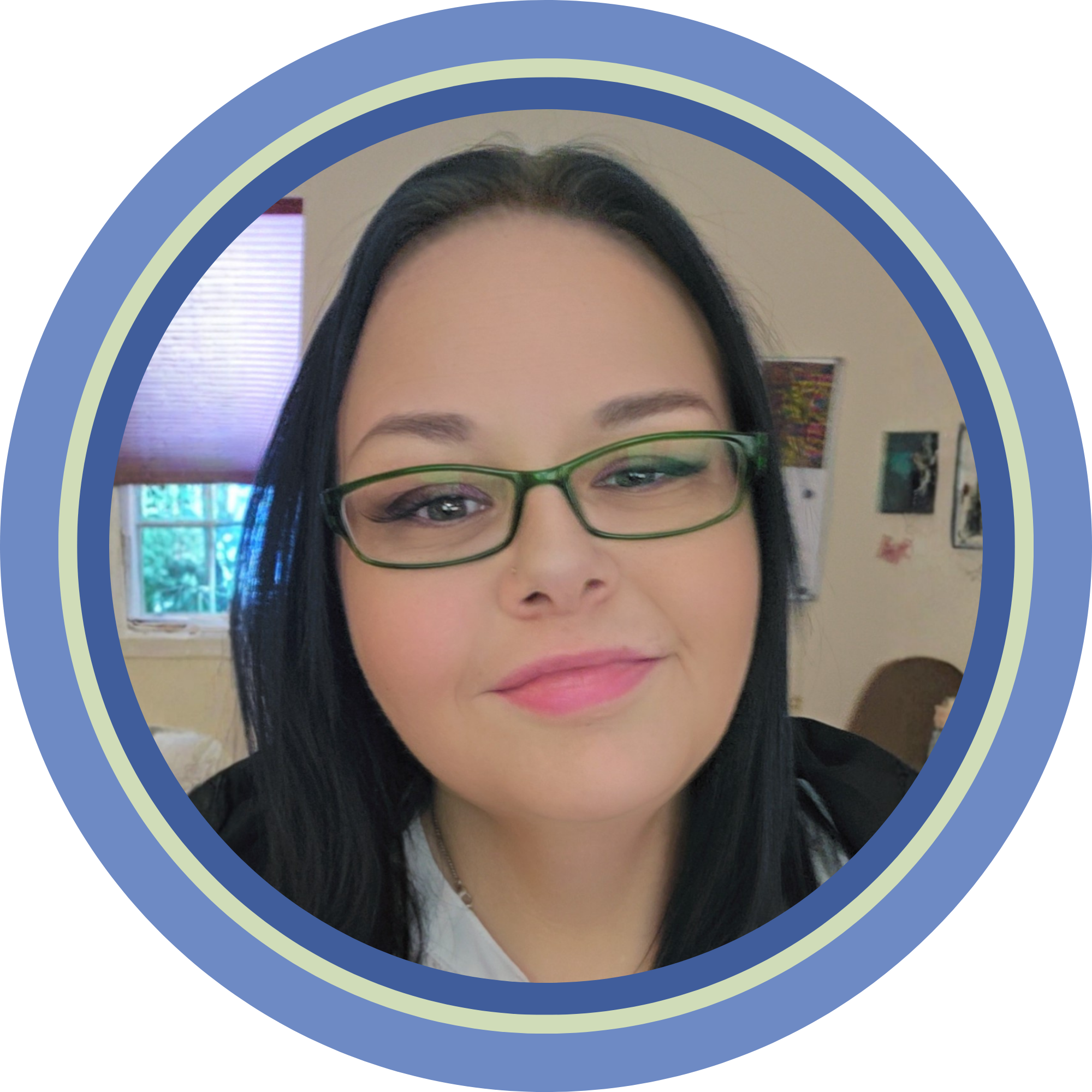 Belinda Morey, CSAC
Belinda “Belle” Morey is a Clinical Substance Abuse Counselor with 10 years sober from methamphetamine. She holds a Bachelor's in Addiction Counseling and is pursuing a Master's in Clinical Mental Health Counseling. Belle works as an outpatient counselor, Recovery Coach, and serves on advisory boards including cleancircle.io and Vital Voyage.
Evidence-Based Information Strategies for Supporting Clients with Health Conditions
In an era of digital misinformation and viral wellness trends, health and wellness coaches must navigate an overwhelming and often conflicting landscape of health information. To responsibly support clients within the scope of practice, coaches should rely heavily on the most up-to-date and authoritative sources of health information available.
This session teaches participants how to access high-quality, peer-reviewed information from trusted databases and websites, and highlights the role of health literacy in how clients find, evaluate, and use health information. Coaches will learn how to assess clients’ health literacy levels and adapt communication strategies accordingly.
This session is designed for health and wellness coaches who regularly share educational resources with clients and work with individuals across a wide range of health literacy levels.
The toolkit shared in this session includes ethical guidelines for sharing information within the scope of coaching practice, a detailed overview of authoritative databases and trusted information sources such as PubMed, MedlinePlus, and Google Scholar, practical tools for assessing clients’ health literacy, and strategies for adjusting coaching approaches to better meet clients’ comprehension and informational needs.
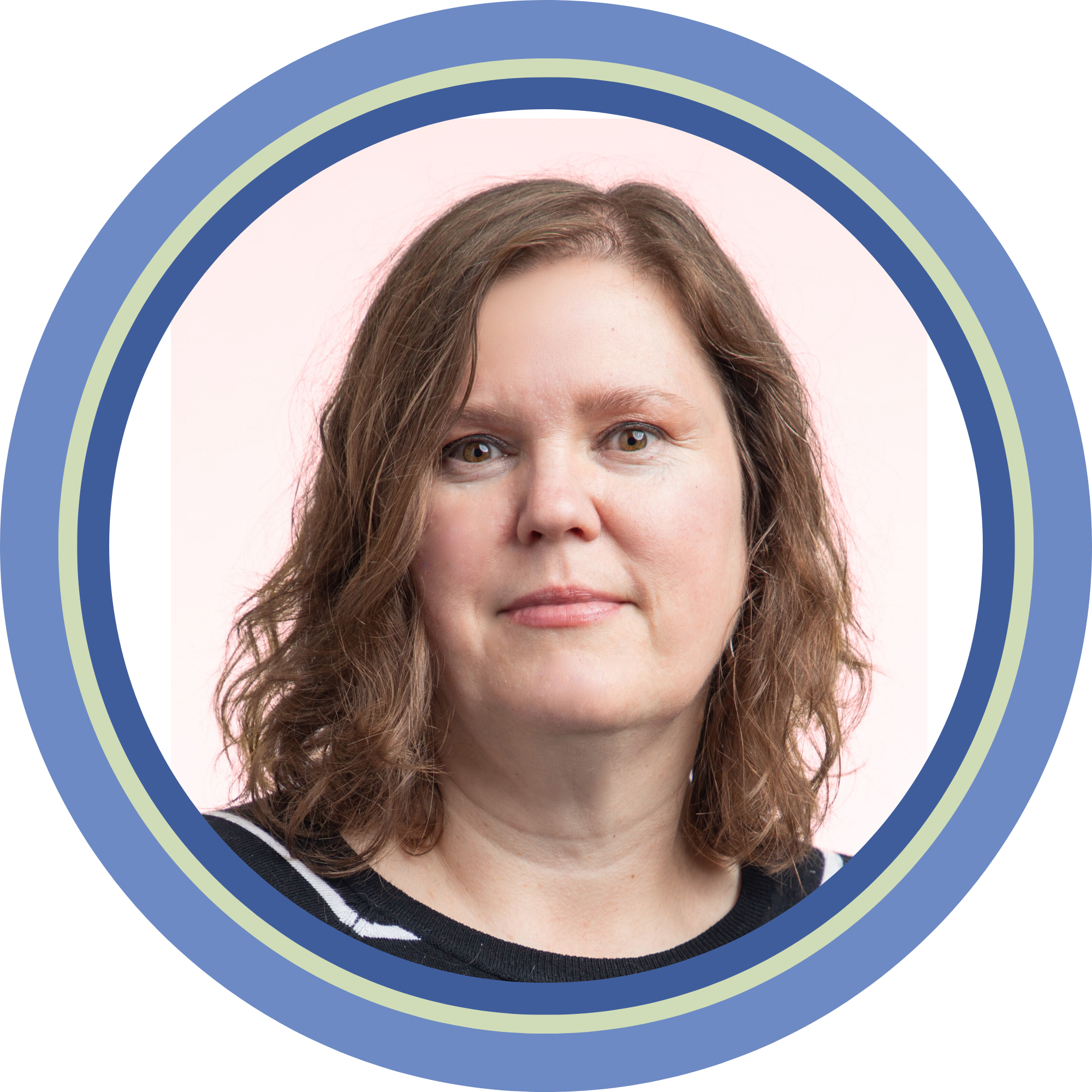 Amber Burtis, MPH, MSI
Amber Burtis is a Professor and Health Sciences Librarian at Southern Illinois University Carbondale, where she specializes in connecting library users with high-quality, evidence-based medical information.
With a passion for health literacy, her goal is to empower coaches with the tools to find, evaluate and share credible health information in an era of digital misinformation, ensuring clients receive the support they need for complex health challenges.
 Skip to main content
