Alternative Pine Management
Join a panel of experts in a discussion on alternative strategies for managing pines. Through a combination of presentations, virtual site tours, and a roundtable discussion we'll cover early and late rotation management for structural and compositional diversity on large and small scale pine forests. Specifically, the workshop will address:
- Ecology and dynamics of pine systems
- Early rotation management including variable density thinning and logger selection
- Later rotation management to emulate natural disturbance regimes
- Forest health considerations including heterobasidion, shoot blight, armillaria, and climate change
- Application of these methods via case studies and drone footage
A tentative agenda is available HERE.
CEUs/CFEs
This workshop is pre-approved for 3.5 WI-DNR Cooperating Forester CEUs and 3.0 SAF CFEs.
Target Audience
This workshop is designed for designed for professional foresters and landowners with basic silvicultural knowledge.
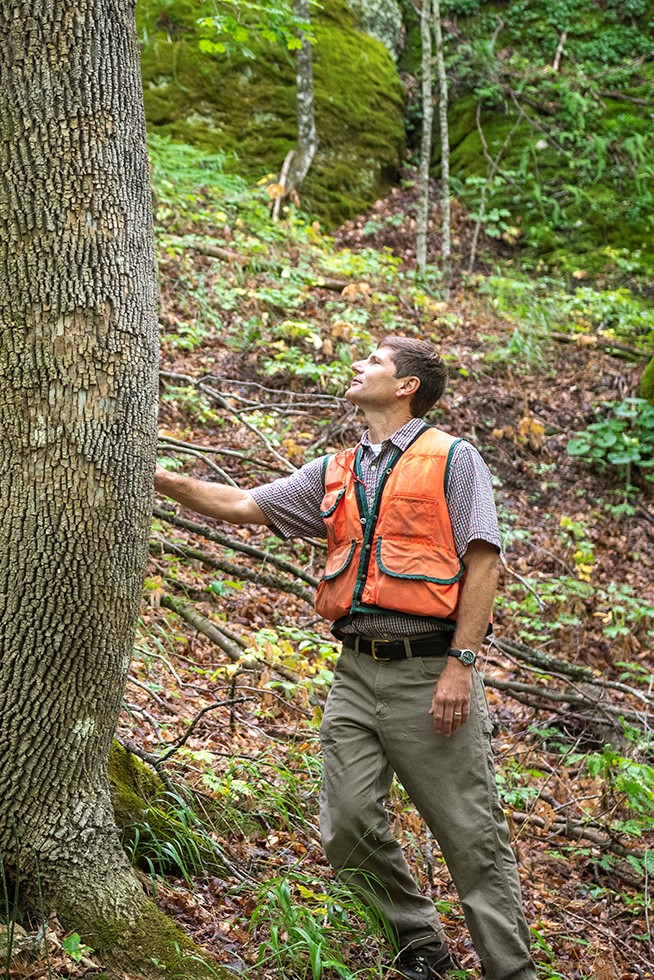
Tony D'Amato, Ph.D., University of Vermont
Tony D'Amato is a Professor of Silviculture and Applied Forest Ecology and Director of the Forestry Program at the University of Vermont. He was a faculty member for seven years in the Department of Forest Resources at the University of Minnesota, as well as a Bullard Fellow at Harvard University's Harvard Forest prior to joining the University of Vermont in January 2015. His research focuses on long-term forest dynamics, disturbance effects on ecosystem structure and function, and silvicultural strategies for conferring adaptation potential within the context of global change, including introduced insects and diseases.
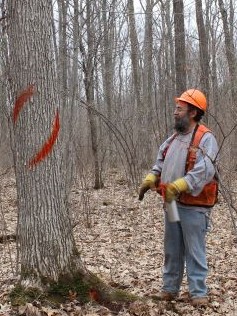 Mike Demchik, Ph.D., UW-Stevens Point
Michael Demchik is a Professor of Forestry at University of Wisconsin-Stevens Point. He teaches a wide range of courses at UWSP and is involved in research that addresses using silviculture to reach landowner goals. He is particularly obsessed with developing methods to teach students and professionals how to mark timber better, faster and with more confidence in their decisions. He has had a number of jobs across federal, state, and private natural resource management in West Virginia, Maryland, Minnesota, and Wisconsin.
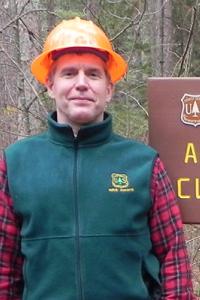 Brian Palik, Ph.D., US Forest Service
Brian Palik is science leader for applied forest ecology with the USDA Forest Service-Northern Research Station, in Grand Rapids MN. He works broadly on questions related to the ecological sustainability of managed forests through use of operational-scale and long-term silviculture research.
 Skip to main content
